Microeducation
April 7, 2026
HOPE Is Not HIS: Why the New Hospice Assessment Tool Demands a Training Overhaul

HomeCentris Home Health II achieved a 0.5-star quality rating improvement in just 6 months using HOP.ai's targeted microlearning platform. Discover how science-backed spaced repetition and real-time quality data drove measurable results in one of America's most competitive home health markets.
The solution isn't revolutionary, but it is evidence-based. Meta-analyses consistently demonstrate that microlearning combined with spaced repetition produces superior results compared to traditional training approaches. The numbers are compelling:
Spaced repetition works by leveraging how our brains consolidate memory. Instead of cramming information into a single lengthy session, learners encounter the same concepts multiple times over days and weeks. This distributed practice strengthens neural pathways and moves knowledge from short-term to long-term memory, where it actually becomes useful in clinical practice.
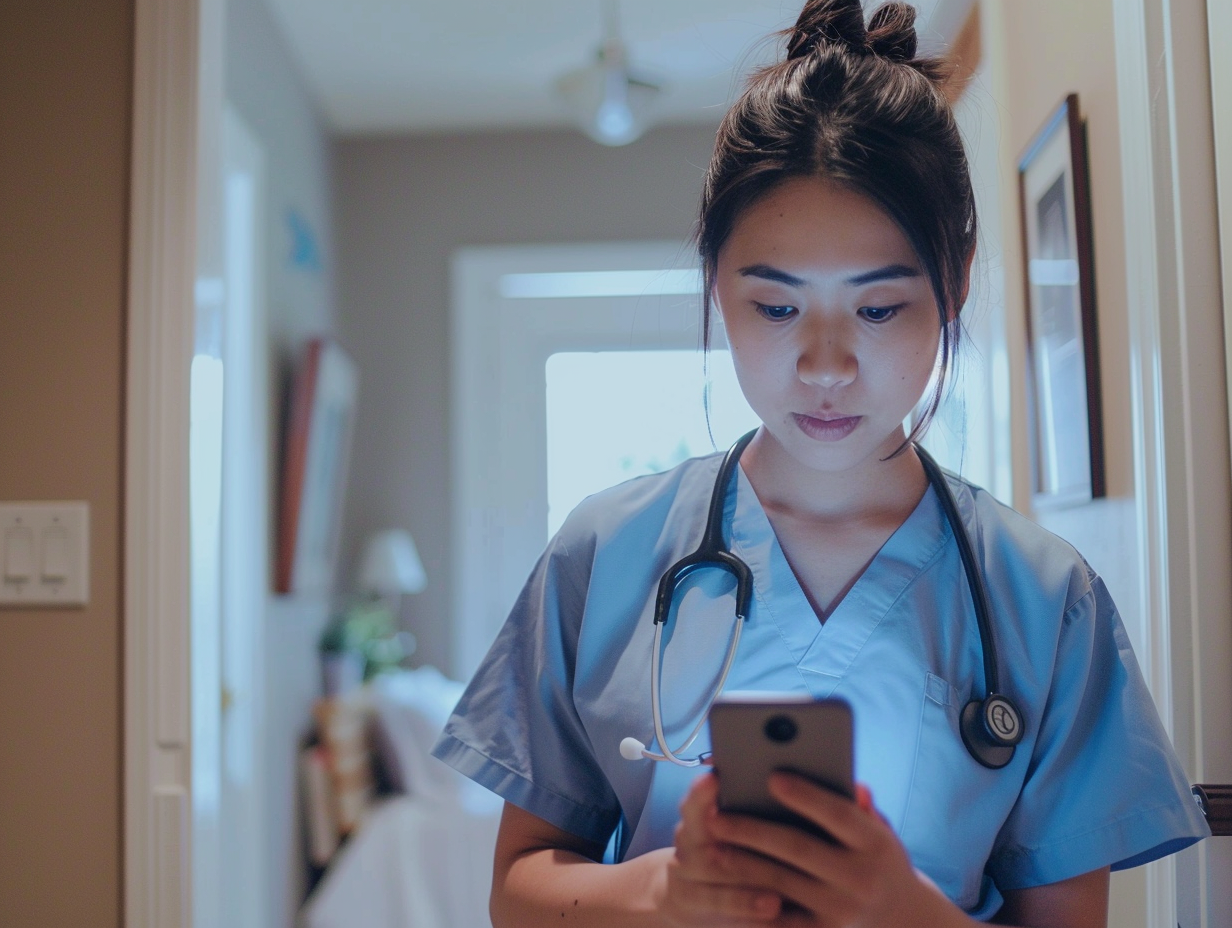
HOP.ai implements this science through purposefully designed 5 to 6 minute modules delivered on mobile platforms, with automated spacing algorithms that present content at optimal intervals based on individual learner performance. The system integrates directly with quality data, identifying knowledge gaps that actually matter to your organization's outcomes.
Understanding the science is one thing. Translating it into measurable improvements in clinical practice is another. This is where the rubber meets the road for home health agencies trying to compete in increasingly rigorous quality reporting environments.
Consider the reality facing many home health organizations: quality measures are public, reimbursement is tied to performance, and consumer choice matters. Home health leaders can't simply hope their teams are doing things right. They need to systematically identify gaps, deliver targeted education that sticks, and track whether outcomes actually improve.
HOP.ai's closed-loop system works this way. First, quality data identifies specific clinical gaps. Next, microlearning modules address those exact gaps with precision. Finally, outcomes are re-measured to confirm the education drove improvement. It's not theoretical, and as one home health leader discovered, it can deliver remarkable results in competitive markets.
HomeCentris Home Health II operates in Maryland, one of the most competitive home health markets in the United States. Maryland is a Certificate of Need state with early adoption of value-based purchasing models, meaning agencies compete not just on price, but on quality and outcomes. In this environment, even small improvements in quality measures can shift market position.
HomeCentris was performing below its goals on several key quality measures. The organization's leadership team conducted a structured root cause analysis using the A3 methodology, which identified four critical gaps:
These weren't knowledge gaps born from clinician negligence. They were systemic issues requiring targeted, repeated reinforcement. Traditional annual training wouldn't cut it.
HomeCentris deployed HOP.ai's microlearning platform with a specific focus on these four root causes. The team used HOP Huddles, short targeted micro-drip education sessions that fit into the daily workflow. Rather than pull clinicians away from patient care for hours of classroom time, the organization delivered bite-sized lessons on IDT communication, medication assessment protocols, and assessment best practices directly to mobile devices.
The results speak to the power of both the science and the execution. Within six months, HomeCentris improved from a 3.5-star to a 4.0-star quality rating. But the headline number doesn't capture the full story.
The organization achieved 100 percent completion rates on five of nine targeted countermeasures, demonstrating that clinicians engaged with and completed the microlearning content. More importantly, quality measures moved in the right direction across the board. Nine of eleven key quality measures showed improvement:
What's equally important: these improvements weren't a one-time spike. Both quarters showed steady, compounding gains as the organization continued the microlearning approach and staff absorbed the content through repeated, spaced exposure. This is exactly what the cognitive science predicts should happen.
HomeCentris's success wasn't accidental. Three factors converged:
The HomeCentris case study demonstrates that the science of microlearning works outside the lab. In real home health organizations, operating under real pressures, with real clinicians juggling patient care, it delivers measurable improvements in both quality and outcomes.
If your organization is struggling with quality measures, staff turnover, or the persistent challenge of translating training into changed practice, microlearning offers a path forward. The evidence is clear: when education is brief, spaced, mobile-friendly, and precisely targeted to actual gaps in clinical practice, clinicians learn it, remember it, and use it.
The forgetting curve doesn't have to be your destiny. Neither does a 3.5-star quality rating. Systematic, science-backed education can compound into real improvement over time.
Ready to see how HOP can transform your agency's quality outcomes? Schedule a demo to see the platform in action.

Transform your agency's quality performance with AI-powered micro education that closes gaps, ensures compliance, and empowers your clinical team.



HOP connects quality analytics, compliance tracking, and AI-powered micro education to help home health agencies improve outcomes.
Email : monika@myhop.ai